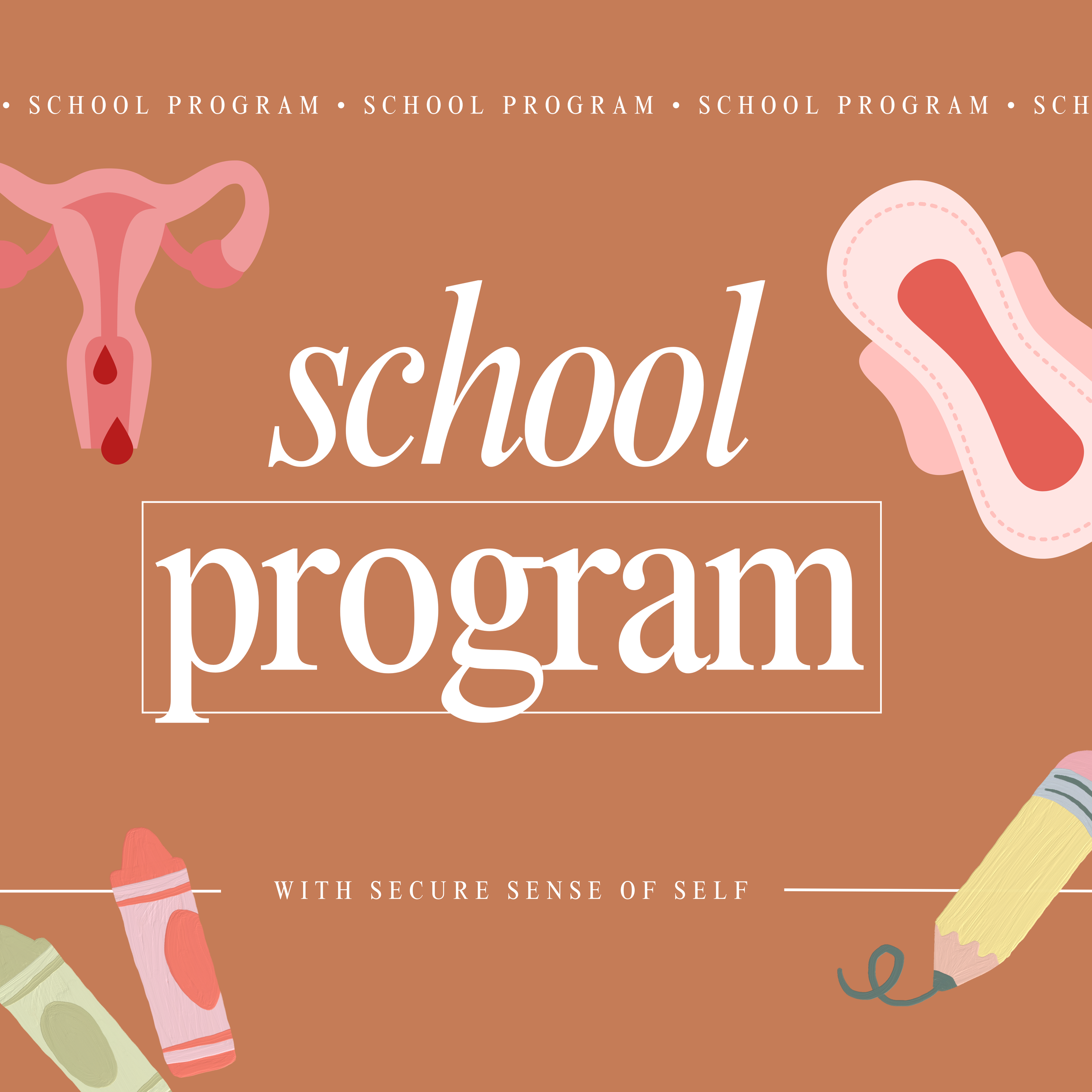
Menstrual cycle education years 4-12.
A program
for…
Victorian students in Years 4-12. An annual, developmentally appropriate program that builds students' understanding of the menstrual cycle, body literacy and reproductive health.
Delivered as a single session each year, the program evolves in depth and complexity as students progress through school, providing age-appropriate learning from Years 4–12.
Sessions are inclusive of all genders and foster understanding, empathy and respect while reducing stigma and increasing confidence in discussing menstrual health.
Curriculum aligned with the Victorian Curriculum F–10 Version 2.0 (Health and Physical Education).
Students leave with…
Students leave understanding;
reproductive anatomy and physiology;
how the menstrual cycle works;
menstrual products and practical management;
menstrual cycle tracking;
understanding hormonal changes;
recognising what is normal and what isn't;
when and how to seek help;
and about challenging myths and reducing stigma.
Add on…
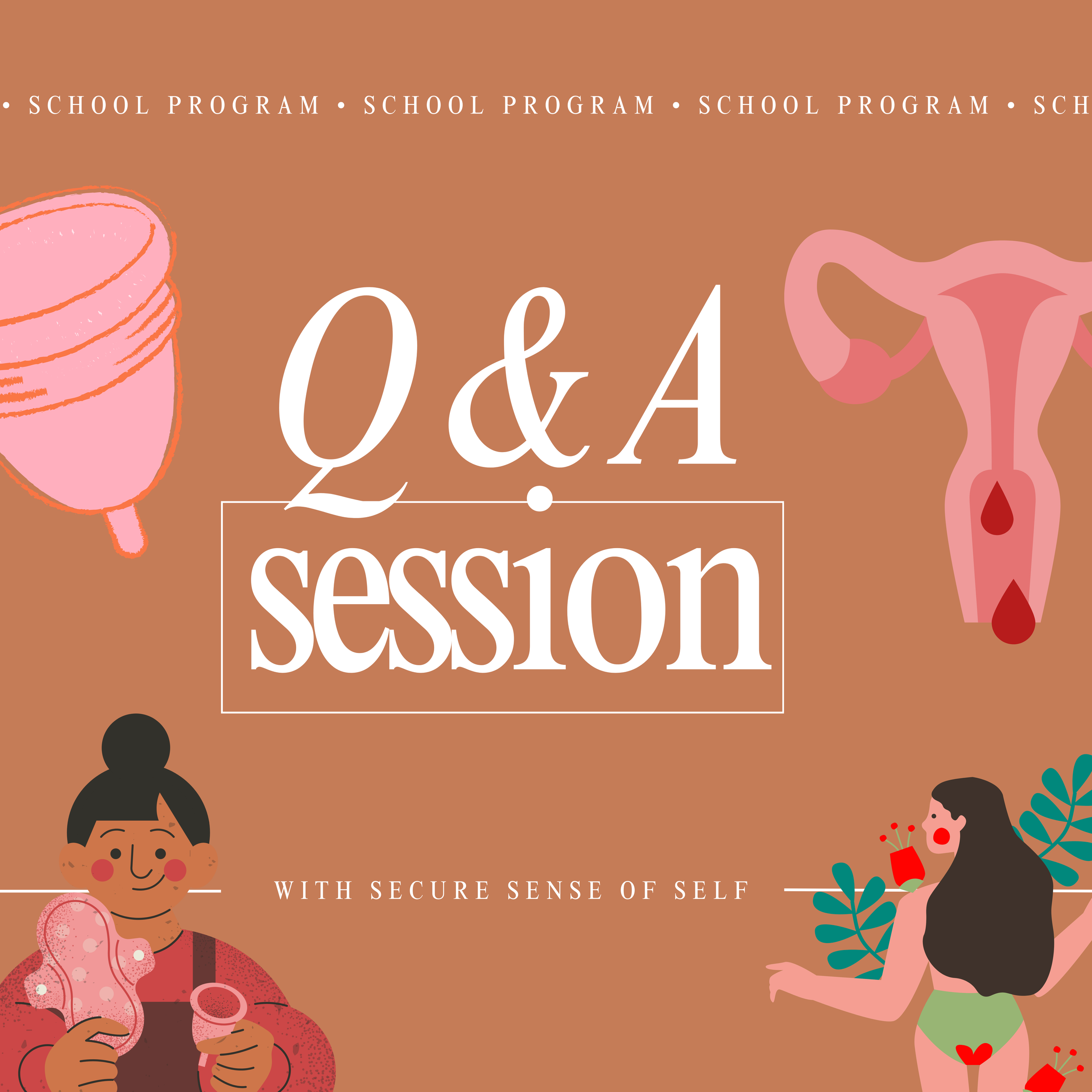
Private Menstrual Health Q&A Session | For Students Who Menstruate
An optional, confidential small-group single session providing students who menstruate with the opportunity to ask questions, deepen their understanding and discuss menstrual health in a supportive, judgement-free environment.
Students are encouraged to explore developmentally appropriate topics such as menstrual cycles, period products, common experiences, self-care, pain, hormones and when to seek support. The session aims to build confidence, normalise conversations about menstrual health and empower students with practical, evidence-informed knowledge they can carry into adolescence and adulthood.
Rather than simply learning how to manage periods, students learn to understand and work with their bodies.
Alignment with schools…
RESPECTFUL RELATIONSHIPS
SECURE SENSE OF SELF programs strongly align with the Victorian Respectful Relationships initiative. Our curriculum supports students to build emotional literacy, practise respectful communication, understand consent and bodily autonomy, recognise healthy and unhealthy relationships, develop help-seeking skills, and challenge stereotypes that contribute to gendered inequality.
CURRICULUM ALIGNED
Our developmentally appropriate programs are delivered by health educator Emily Sinclair, and align with the Personal, Social and Community Health strand of the Victorian Curriculum F–10 Version 2.0.
PROGRAM OUTCOMES
Our simple aim is:
Every student leaves knowing that their body is worthy of understanding, their questions deserve answers, and help is available when something doesn't feel right.